
Modern Identity: Technology, Climate and Culture Shaping Modern Ideals for Local Contexts
SESSION CHAIR: Debora Barros WJE
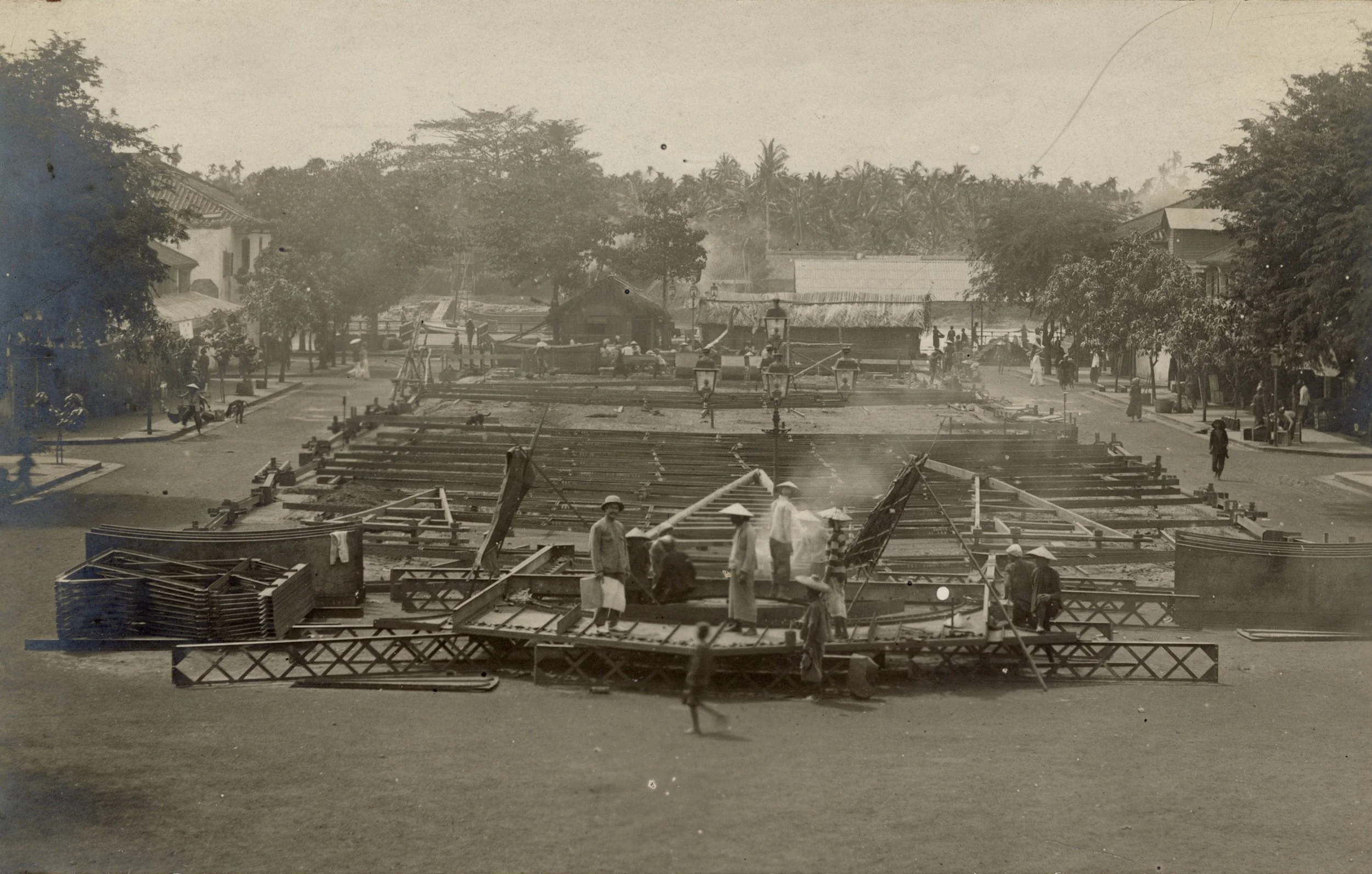
Iron in the Tropics: Standard Eiffel Markets in French Indochina
Adrien Boyette, Yoshiyuki Yamana – Tokyo University of Science
Flat or Slanted Roof: Identity in Modern Tropical Architecture
Arief B. Setiawan Kennesaw State University
Tunisian Modernist Architecture Challenged by the Climate
Alia Bel Haj Hamouda, Salma Gharbi, Alia Ben Ayed – Carthage University
Twentieth-Century Infrastructure: Legacies, Challenges, and Adaptations
SESSION CHAIR: Elsa Haarstad Getty Conservation Institute
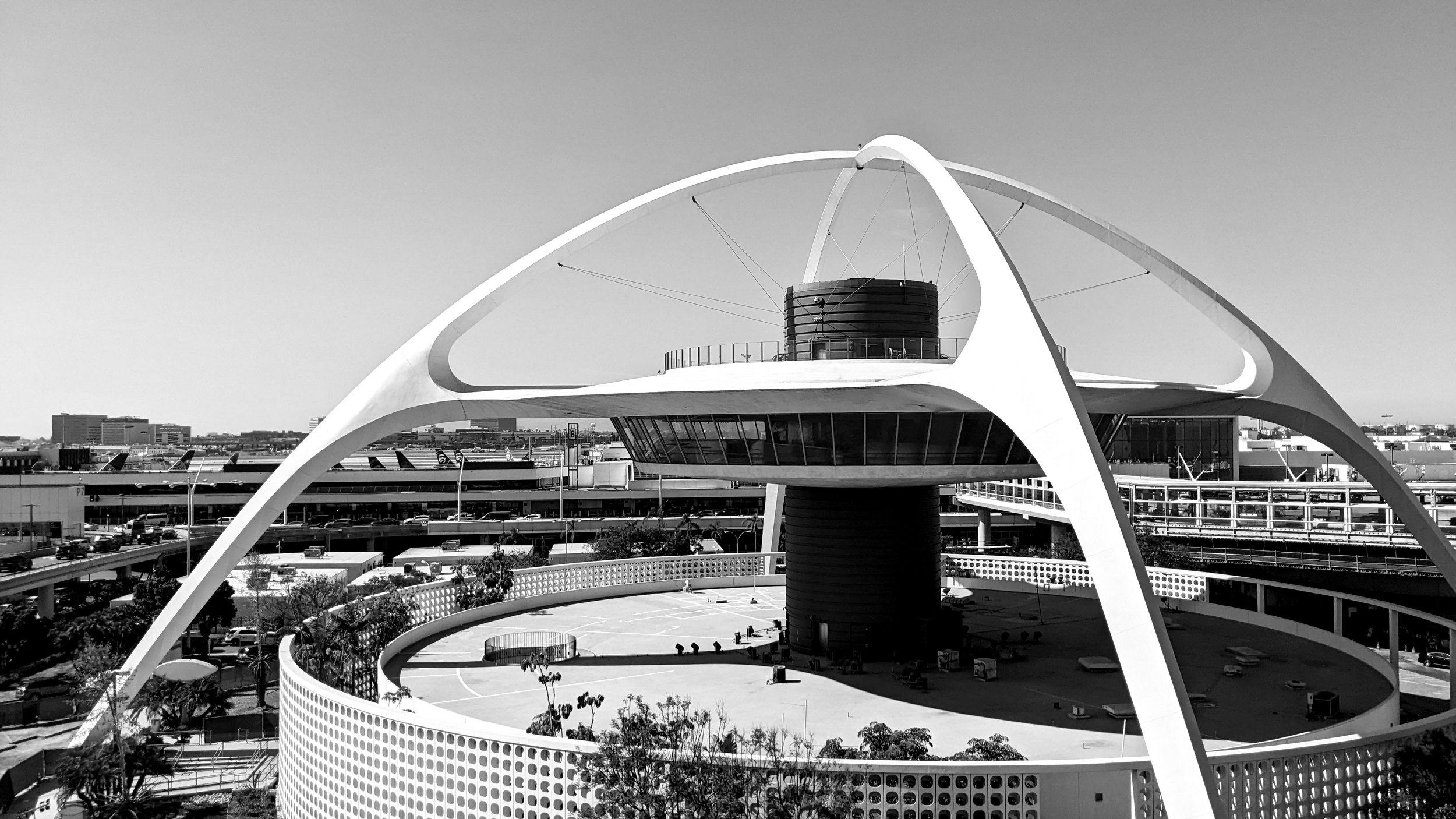
LAX: First Modern Airport, Last Relic of the Jet Age
Juan Villafañe Krueck Sexton Partners
Los Angeles in Pieces: Episodes in the Morphological Evolution of the Los Angeles Basin
Duke Dunham Harvard Graduate School of Design
A Planning Paradox: Canberra, Australia's National Capital
Rachel Jackson GML Heritage
Highways to Walkways: Urban Mobility and Regeneration Challenges in Chicago
Zixuan Zheng Illinois Institute of Technology
Retrofitting Modernism: Industrial Building Afterlives and Data Infrastructure in Tsuen Wan, Hong Kong
Xinwen Zhang University of Hong Kong
Modernists Plans, Daily Strains: Mobility in New Belgrade
Mariolina Affatato – Politecenico di Torino
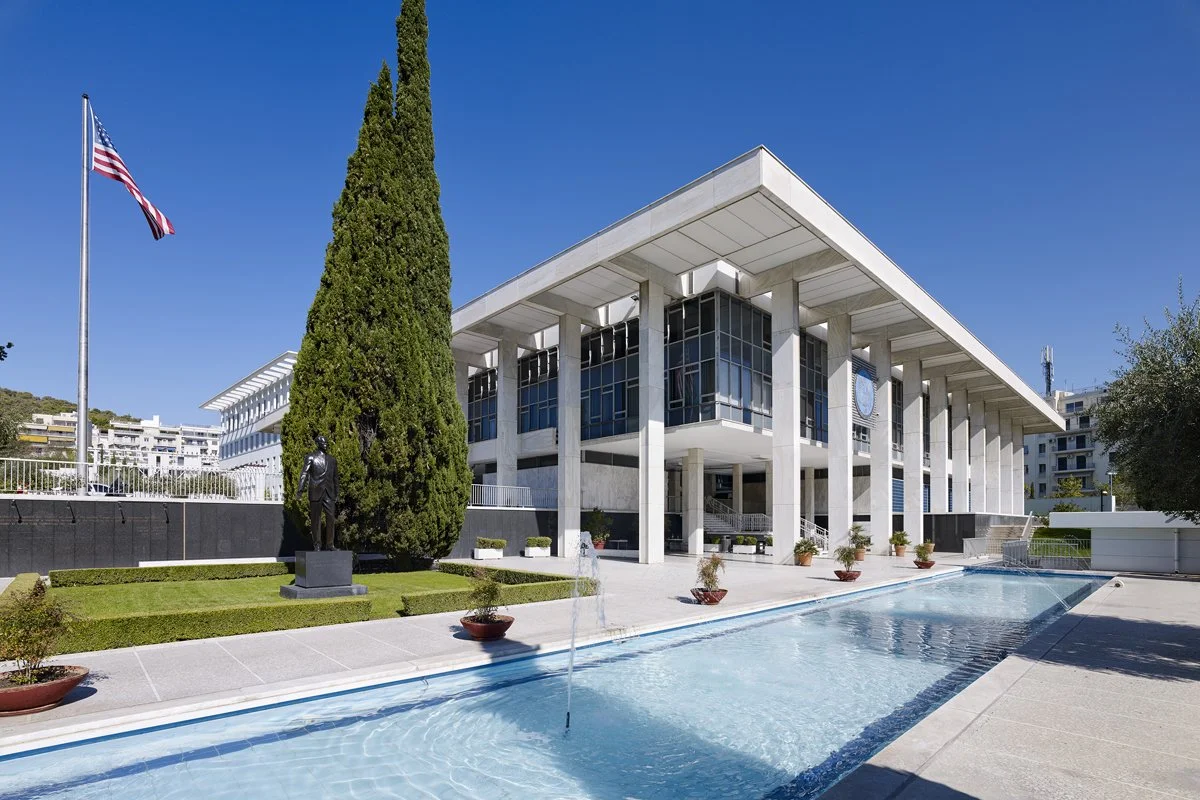
Revitalizing Modern U.S. Embassies as Hubs for Culture and Diplomacy
SESSION CHAIR: Jorge Otero Pailos Columbia University GSAPP
Speakers include:
Jorge Salcedo, Office of Cultural Heritage OBO, Department of State
Katie Gerner, AIA, Associate Principal Annum Architects
Jorge Otero-Pailos, Artist, Architect, Professor and Director of Historic Preservation at Columbia University GSAPP
Svein Lund, Architect, Founding Partner & Chairman Lundhagem Arkitekter
Jonas Norsted, Partner/Architect Atelier Oslo Arkitekter